
PCIT POS Builds Supermarket Systems for Independents

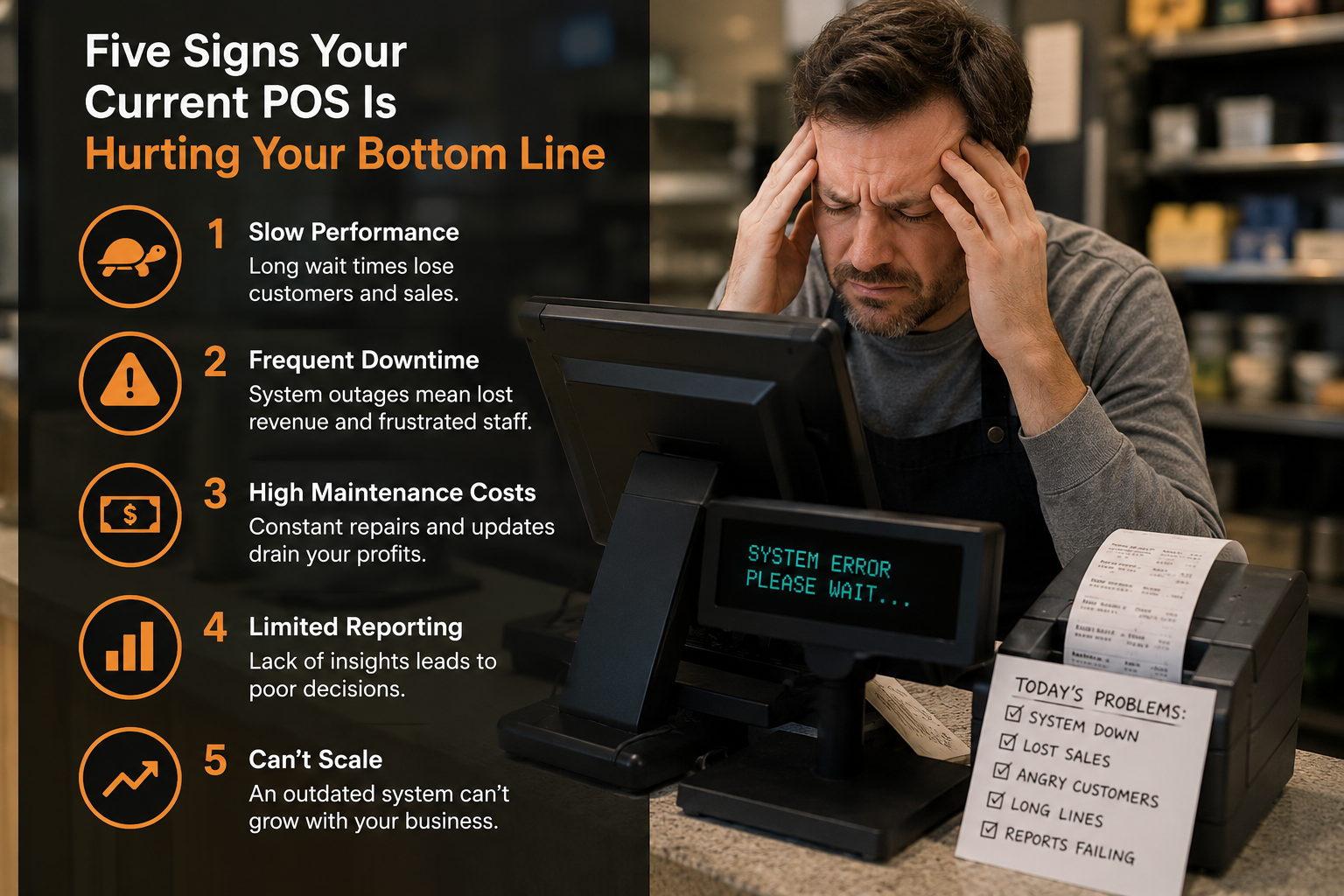
Five Signs Your Current POS Is Hurting Your Bottom Line
Published by PCIT POS | pcitpos.com
There is a conversation I have had more times than I can count. A retailer calls, frustrated, and somewhere in the first five minutes they say something like “the system works, it’s just slow” or “we’ve had it for years, it does what we need.” By the end of the conversation it usually turns out the system is costing them real money in ways they had stopped noticing because the problems had become part of the daily routine.
That is how a bad POS gets away with it. Not through dramatic failure, but through slow, steady, invisible damage to your operation.
Here are five signs your current point of sale system is working against you, whether you have noticed them yet or not.
Sign 1: Your checkout line is where customers decide not to come back
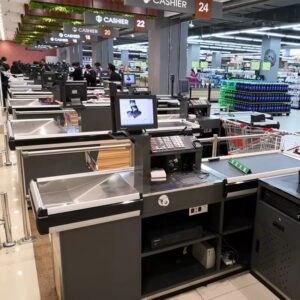
The register is the last impression your store makes on every single customer. When your POS starts showing its age, the cracks spread fast, resulting in slower checkouts, more manual work, and frustrated customers waiting. For an independent grocery store o r bodega running a busy Saturday, a sluggish system at the register is not a minor inconvenience. It is a line that forms, a customer who checks the time, and a decision made about whether to come back next week.
Contactless transactions cut checkout time by up to 50% in high-traffic stores. If your system cannot process tap-and-go payments, you are not just behind on technology. You are adding friction at the exact moment the customer should be walking out the door happy.
Sign 2: Your inventory lives in your head, not your system
If your answer to “what do you have in stock” involves walking to the back room or calling a staff member, your POS is not doing its job. Outdated POS systems with basic inventory tracking capabilities lack real-time updates or detailed analytics, leading to inaccuracies in stock levels, overstocking, and stockouts that result in lost sales and increased operational costs.
For independent retailers this is particularly painful. You do not have a corporate warehouse to absorb the cost of a bad order. Every dollar tied up in product you do not need is a dollar that cannot go toward something your customers are actually asking for. A modern POS tells you what to order, when to order it, and what has been sitting on the shelf collecting dust. Your current system should be doing that right now.
Sign 3: You cannot see your business clearly
End of day totals are not business intelligence. If the reporting in your current POS amounts to a sales number and maybe a category breakdown, you are operating without the information you need to make good decisions.
Owners want real-time visibility, not end-of-month reports. A POS system that was good enough in 2022 may now be limiting growth, margins, and operational control. Which items have the best margin? Which hours drive the most traffic? Which employee shifts produce the highest average ticket? If your system cannot answer those questions on demand, you are running on instinct in a business environment where your competitors are running on data.
Sign 4: Your payment options are a decade behind your customers
Older POS systems struggle to process diverse payment methods, impacting customer convenience and security. Businesses with outdated systems risk losing customers to competitors offering a wider range of payment options, affecting sales, brand perception, and customer retention.
Cash is still king in some markets, and there is nothing wrong with serving a cash-heavy customer base. But if your system cannot handle tap-to-pay, digital wallets, EBT, or split tender without a workaround, you are turning away sales every single day. Payment flexibility is not a premium feature anymore. It is table stakes.
Sign 5: You are locked in and you know it
This one is less about the technology and more about the relationship. If your current POS vendor owns your payment processing, controls your data, and charges you every time you need support or a hardware repair, you are not a customer. You are a captive.
More than 40% of POS software in use today is over five years old. A significant portion of those operators are staying on outdated systems not because they are happy with them, but because switching feels complicated and their current vendor has made it feel that way intentionally. The lock-in is the product.
A good POS partner gives you open payment processing, transparent pricing, real support, and the freedom to make decisions that are right for your business rather than their residual income.
What to do about it
If any of these five signs feel familiar, the answer is not to wait until something breaks. By then the damage is already done. The answer is to have an honest conversation with someone who knows the independent retail and hospitality space well enough to tell you the truth about what your operation actually needs.
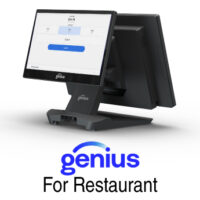
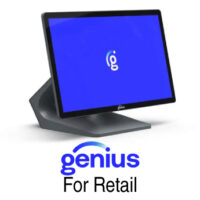
That is exactly what PCIT POS does. We are not a one-size-fits-all solution. We carry multiple platforms including Genius POS, BodegaAI POS, Retail Management Hero, Auto-Star Compusystems, and others, because different businesses have different needs and the right system for a restaurant is not the right system for an ethnic grocery store.
If your current POS is working harder against you than it is for you, let’s talk.
Visit us at www.pcitpos.com or call us directly at 714-574-8980.